
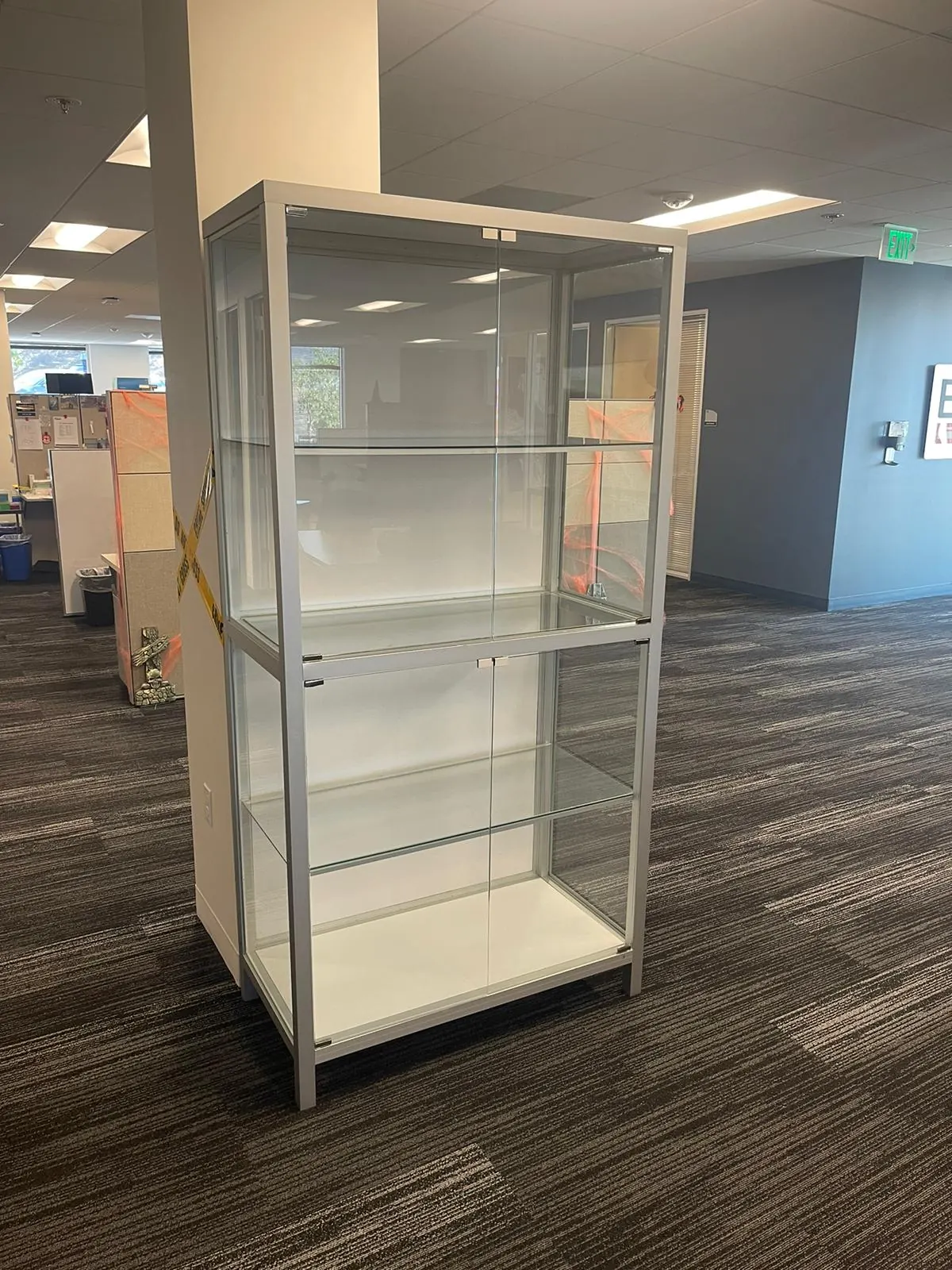
The brand designed it, it got built, it got delivered. Two weeks later, in half the stores, it is under the counter because it crowded the register or the card terminal.
The display did not fail. The measurement taken before designing it did.
The space that is actually free
A counter measures what the spec sheet says, but the free space is something else: the terminal, the register, the bag dispenser and the cashier elbow eat a good share of it. Design for the empty counter and it will not fit the real one.
A photo of the counter on a normal day, with everything on it, is worth more than the floor plan.
Height decides whether it gets seen
Too low and the product hides behind whatever sits in front of it. Too tall and it blocks the cashier face, so someone takes it down. A display has to read from where the customer stands, not from above.
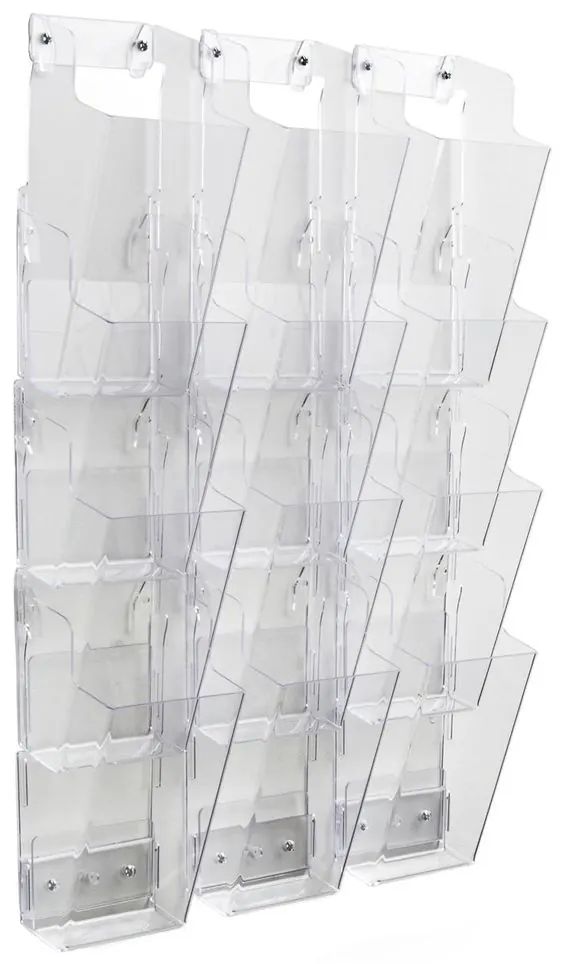
What it holds and how it gets refilled
A display built for light product will not carry glass jars, and one that hides how empty it is will not get restocked in time. It helps to know what goes in it and how often it gets refilled.
Those answers set the thickness, the base and the front. And if the brand is going into several stores, the first approved piece becomes the model for all of them.
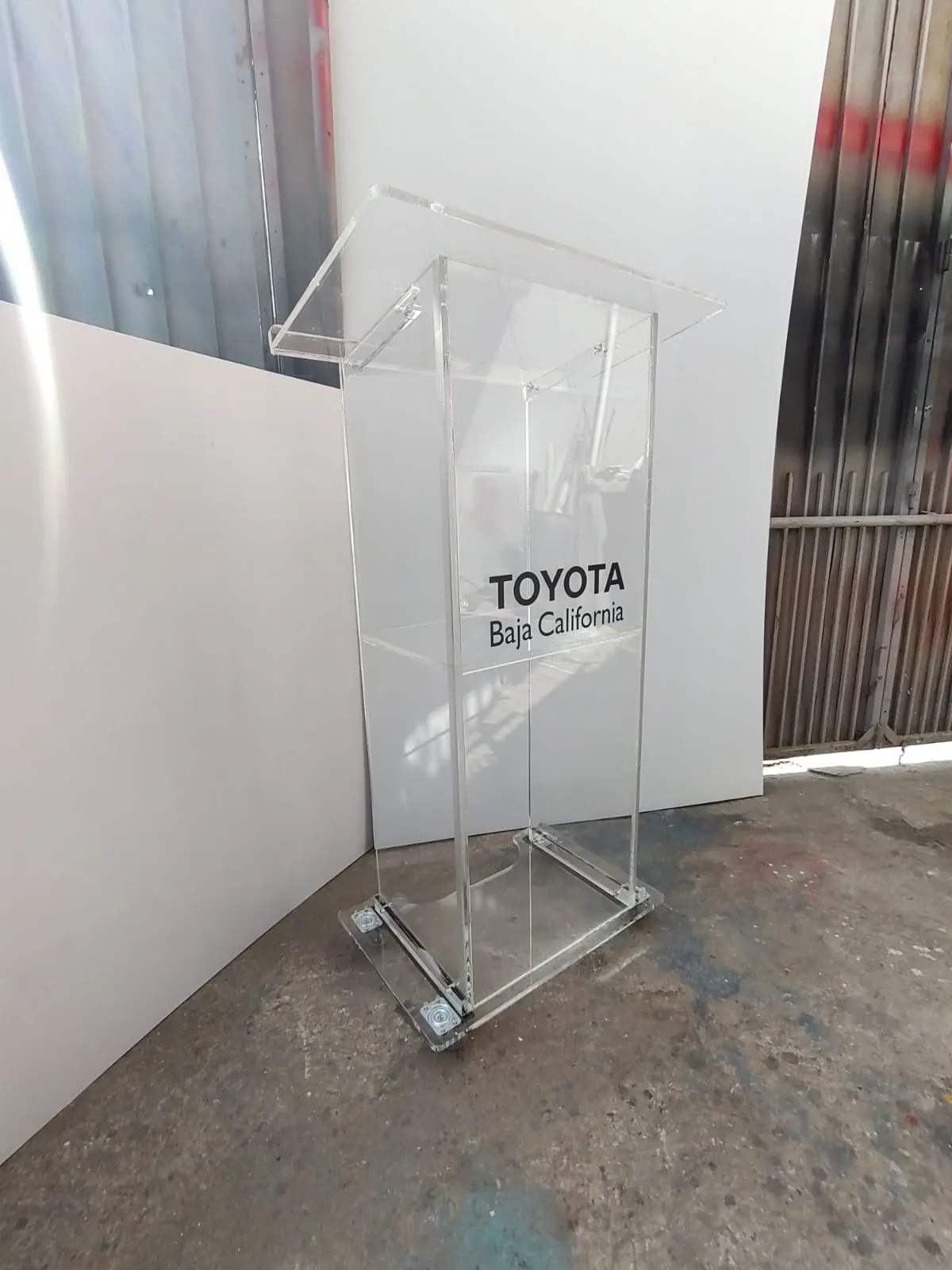
Test before the run
When the display is going into many stores, test one in a single store for a week or two. That is where you see what the drawing never shows: the cashier moving it to reach the terminal, or product falling out when someone grabs it.
Fixing that on one piece is cheap. Fixing it on fifty already in stores costs the whole run.
Do you make single pieces?
Yes, from one piece. If you later need a run for every store, the approved sample becomes the standard.
Can you add our logo?
Yes, laser engraved or printed, depending on material and budget.
Can you deliver to stores in San Diego?
Yes. We deliver regularly to San Diego, Chula Vista and Otay Mesa.